

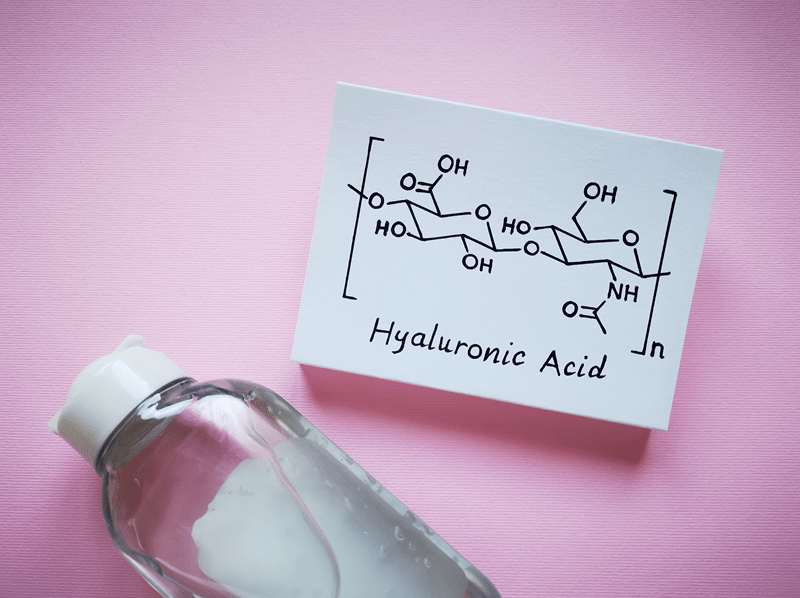
You know what’s funny? Skincare trends come and go, but hyaluronic acid never loses its spotlight. It feels like every dermatologist, esthetician, and beauty lover in the USA keeps going back to this one hero ingredient. And honestly, for good reason. It hydrates, softens, plumps, and somehow makes your skin look like you slept 9 hours even when you didn’t.
In this blog, we’ll talk about what it actually does, how to use it, when to apply it, whether it plays well with retinol, and how to choose the best hyaluronic acid serum without stress. Think of this as your friendly, slightly chatty skincare check-in.
It might sound scientific or a bit intimidating, but this ingredient feels more like a built-in water tank for your skin. Before diving into the how-to and when-to, let’s first talk about why skincare experts trust it so much.
Here’s the thing. Hyaluronic acid acts like a moisture magnet. It pulls water toward your skin and holds it there, keeping everything bouncy. If you’ve ever wondered why some people just glow without piling on highlighters, this might be why.
It also gives that subtle plumping effect that softens fine lines, making them less noticeable. Not gone, but definitely softened the way steam smooths wrinkles out of fabric. It’s gentle, and that’s part of the charm.
Most people think it’s only a hydrator, but its uses stretch a little wider.
A quick list, naturally woven into conversation:
While it isn’t a miracle worker, it’s surprisingly dependable. And dependable skincare feels like a luxury these days.
If you’ve ever looked in the mirror in the afternoon and thought, Wow… my skin looks tired, hyaluronic acid comes in handy. Its benefits show up quietly. You get better hydration, smoother texture, and a consistent brightness. Not flashy, but steady.
And sometimes steady care is what your skin really needs.
Honestly, a lot of people overcomplicate skincare. But this one is simple. Hyaluronic acid just wants a little moisture around so it can do its job. Whether you're a skincare beginner or someone who stalks Sephora’s new arrivals, applying it right makes all the difference.
Timing matters with serums, and this one feels happiest when applied right after cleansing while your skin is still slightly damp. Not dripping, but lightly moist. Think of it like watering soil before planting seeds.
Use it:
Or both if you’re feeling fancy.
What matters more is consistency. Your skin responds better when you show up for it every day.
Let me explain how layering works. Hyaluronic acid needs moisture. So don’t put it on totally dry skin unless you want the serum to pull moisture from your skin instead of the air.
A simple routine:
That’s it. No mental gymnastics.
Here’s a question everybody asks. Can you use hyaluronic acid with retinol? Yes, absolutely. They’re a great pair. Hyaluronic acid adds comfort and hydration, which helps reduce the dryness you may get from retinol during colder months or if your skin is adjusting.
Think of them like teammates:
Just avoid applying retinol on damp skin. Hyaluronic acid? Sure. Retinol? Not so much.
Choosing the best hyaluronic acid serum can feel overwhelming. The beauty aisles in the USA are full of options with fancy names and shiny bottles. But don’t worry, a few simple pointers help you spot a good formula.
Look for:
Some popular picks people swear by include brands like The Ordinary, La Roche Posay, and SkinCeuticals. But you don’t need a high price tag to get great results.
This is where your routine gets more fun. Hyaluronic acid mixes well with almost everything, like niacinamide, peptides, vitamin C, and ceramides. You can build a great routine without worrying about harsh reactions.
Just avoid layering too many exfoliants with it. Not harmful, just unnecessary.
A few slip-ups happen more often than you’d expect:
It doesn’t do everything, but what it does, it does really well.
Here’s something interesting. The more consistently you use it, the more your skin starts to feel balanced. Hydration becomes second nature, and your makeup sits better, almost like you prepped with a professional’s hand.
Your skin stops feeling thirsty. It stays soft throughout the day, even in dry indoor heating during winter or summer air conditioning that tends to suck out moisture.
Your skin starts feeling velvety, not because of filters or tricks, but real texture improvement. It helps soften the rough patches and gives your face that even-toned look.
Here’s something makeup artists mention often. Hydrated skin grips products better. Your foundation looks smoother, your concealer creases less, and everything melts into the skin instead of just sitting on top.
It’s like giving your makeup a good canvas without trying hard.
Hyaluronic acid stays a favorite for a reason. It’s easy to use, gentle on almost every skin type, and genuinely helpful. Whether you’re trying to fix dryness, soften fine lines, or simply want healthier-looking skin, this ingredient slides right into your routine without fuss. And once you start using it the right way, you feel the difference. Not overnight, but steadily, week after week.
Yes, it works well for dry, oily, combination, and sensitive skin because it’s gentle and hydrating.
You can use it once or twice a day, depending on your routine and comfort level.
Definitely, just layer sunscreen afterward for daytime protection.
Not directly, but it hydrates and improves texture, which can make scars look less noticeable over time.
This content was created by AI